Thread Insert (Fiberglass Reinforced Cord)
Technical Advantages, Materials, and Applications In demanding sealing applications, performance is often limited by one factor: dimensional stability over time. When a profile is exposed

Technical Advantages, Materials, and Applications In demanding sealing applications, performance is often limited by one factor: dimensional stability over time. When a profile is exposed

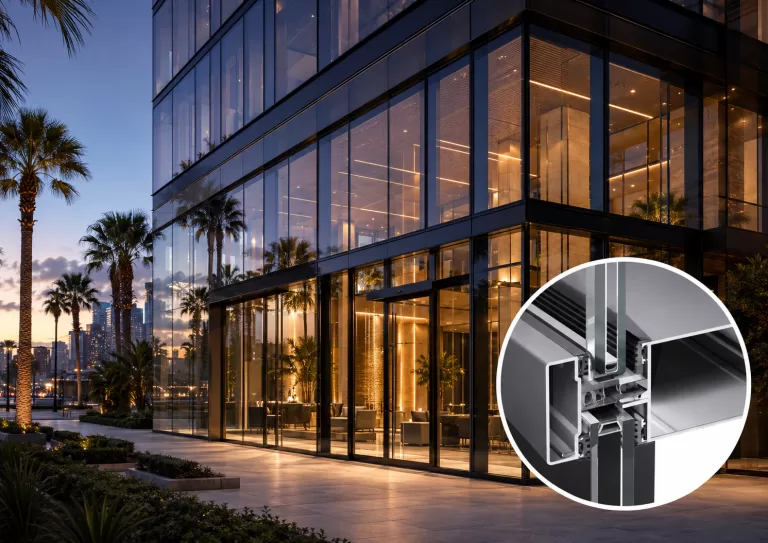
Modern glazing systems don’t fail because of “one big thing.” They fail at interfaces, where glass meets aluminum, where movement meets compression, and where UV

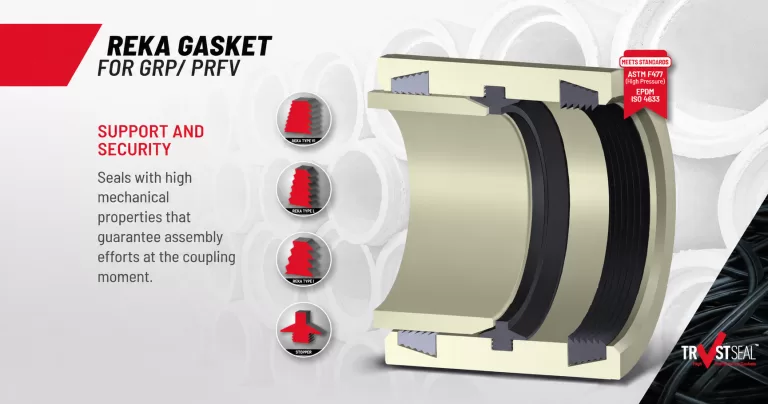
Engineers and utility managers invest significant resources specifying pipe material, diameter, and pressure ratings. Yet one of the most critical components in any pipeline system

In architectural glazing, sealing performance depends on more than profile shape. Long-term results are shaped by how the profile behaves under real conditions: compression, movement,

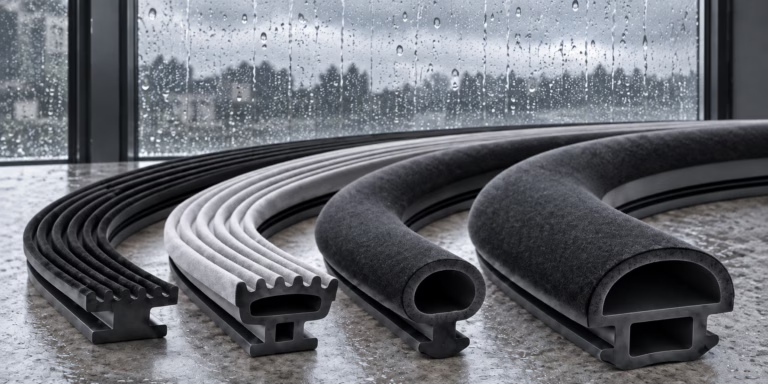
In sealing systems, performance is rarely defined by the profile shape alone. Long-term reliability depends on how that profile behaves under real operating conditions, temperature

In modern fenestration systems, sealing performance is built through engineering decisions that happen long before installation. Profiles must support structural stability, smooth operation, and long-term

Modern building envelopes are expected to deliver far more than visual impact. Today’s façade systems are engineered to manage wind loads, support air and water

Selecting gasket material for curtain wall and storefront systems shapes performance long before installation. Engineering-first selection aligns compound behavior to exposure, movement, and compression requirements,

Glazing systems perform best when sealing is treated as a technical decision. In curtain wall, storefront, and façade applications, seals support air and water control,