In modern fenestration systems, sealing performance is built through engineering decisions that happen long before installation. Profiles must support structural stability, smooth operation, and long-term sealing continuity under real conditions, movement, thermal cycling, and daily use.
That is where thermoplastic triextrusion becomes a practical advantage: an advanced extrusion process that integrates three distinct thermoplastic materials into a single engineered profile, so each zone performs a specific function inside the system.
What is thermoplastic triextrusion?
Thermoplastic triextrusion is an advanced extrusion process where three different thermoplastic materials are melted and formed simultaneously into one profile or multilayer part. This approach allows each material to contribute targeted properties within a unified geometry, optimizing performance and functionality.
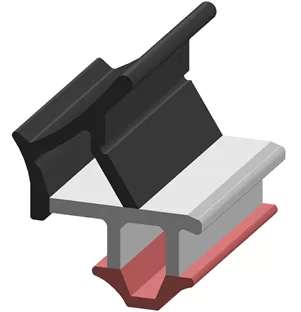
TrustSeal summarizes the concept as an extrusion process with three zones designed for rigid support, slip, and insulation seal.
Why multi-material profiles matter in fenestration
Many glazing and window systems demand requirements that typically conflict with each other:
- the profile must anchor securely
- the interface must slide smoothly where required
- the sealing zone must compress consistently for air/water control
- the system must maintain performance over time
Triextrusion solves this by engineering different behaviors into different zones, inside the same profile, supporting both manufacturability and system performance.
Common applications in architectural systems
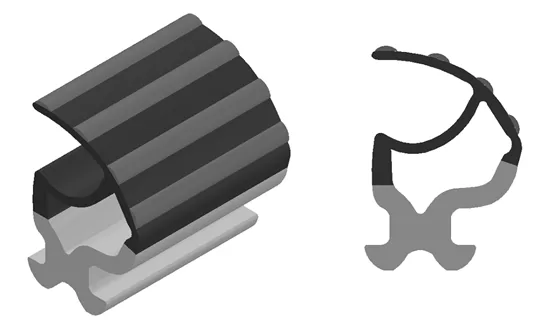
TrustSeal applies triextrusion technology in multicomponent profiles for high-performance architectural systems, including:
- Thermo-acoustic windows
- High sealing doors
- Ventilated facades
- Thermal insulation systems
On the capabilities page, TrustSeal also explains the fenestration logic behind the zones: a rigid anchoring element, a self-lubricating material for sliding, and a compression material that ensures sealing and insulation.
The three functional zones (how the profile works)
Triextruded profiles often integrate three core functions in one piece:
1) Structural stability (anchoring / support)
A rigid zone provides mechanical strength, supports secure retention, and helps maintain geometry over time.
2) Low-friction sliding behavior (movement interfaces)
A self-lubricating or low-friction zone supports smooth motion in operable mechanisms such as windows and doors, improving functionality.
3) Compression sealing (air/water tightness + insulation)
A compression zone supports hermetic sealing and contributes to stronger thermal/acoustic performance and energy efficiency outcomes.
Materials TrustSeal combines in thermoplastic triextrusion
TrustSeal lists strategic combinations of technical polymers used in this capability:
- TPV (Thermoplastic Vulcanizate)
- Flexible PVC (Flexible polyvinyl chloride)
- TPO (Thermoplastic Olefin)
- TPE (Thermoplastic Elastomer)
- PP (Polypropylene)
Each material is selected based on the mechanical, thermal, or chemical contribution needed to meet the project’s requirements
Benefits for manufacturers and system performance
Triextruded thermoplastic profiles can support competitive advantages such as:
- Reduced assembly complexity by integrating functions into fewer parts
- Improved thermal and acoustic outcomes through optimized sealing/insulation zones
- Higher durability against environmental and mechanical exposure
- More advanced functional geometries aligned to system needs
How TrustSeal supports triextruded profile development
On its capabilities and innovation communications, TrustSeal positions triextrusion as a way to transform technical requirements into reliable, application-driven solutions, supported by process expertise and responsiveness to market needs.
Align your next fenestration profile technically
If you’re developing window, door, curtain wall, or façade system components and want to evaluate triextrusion for your application, TrustSeal can support technical alignment from the start.
Schedule a technical conversation:
https://trustsealcorp.com/contact-us/